
Google Discover continues to shift from a passive feed into a high impact discovery channel. Users no longer search for this content. Google selects and delivers it based on behaviour, interests and intent signals.
This creates a different challenge from traditional search. Content must earn inclusion before a query even exists. Brands that understand how Discover evaluates content gain access to consistent, high intent traffic without relying on rankings.
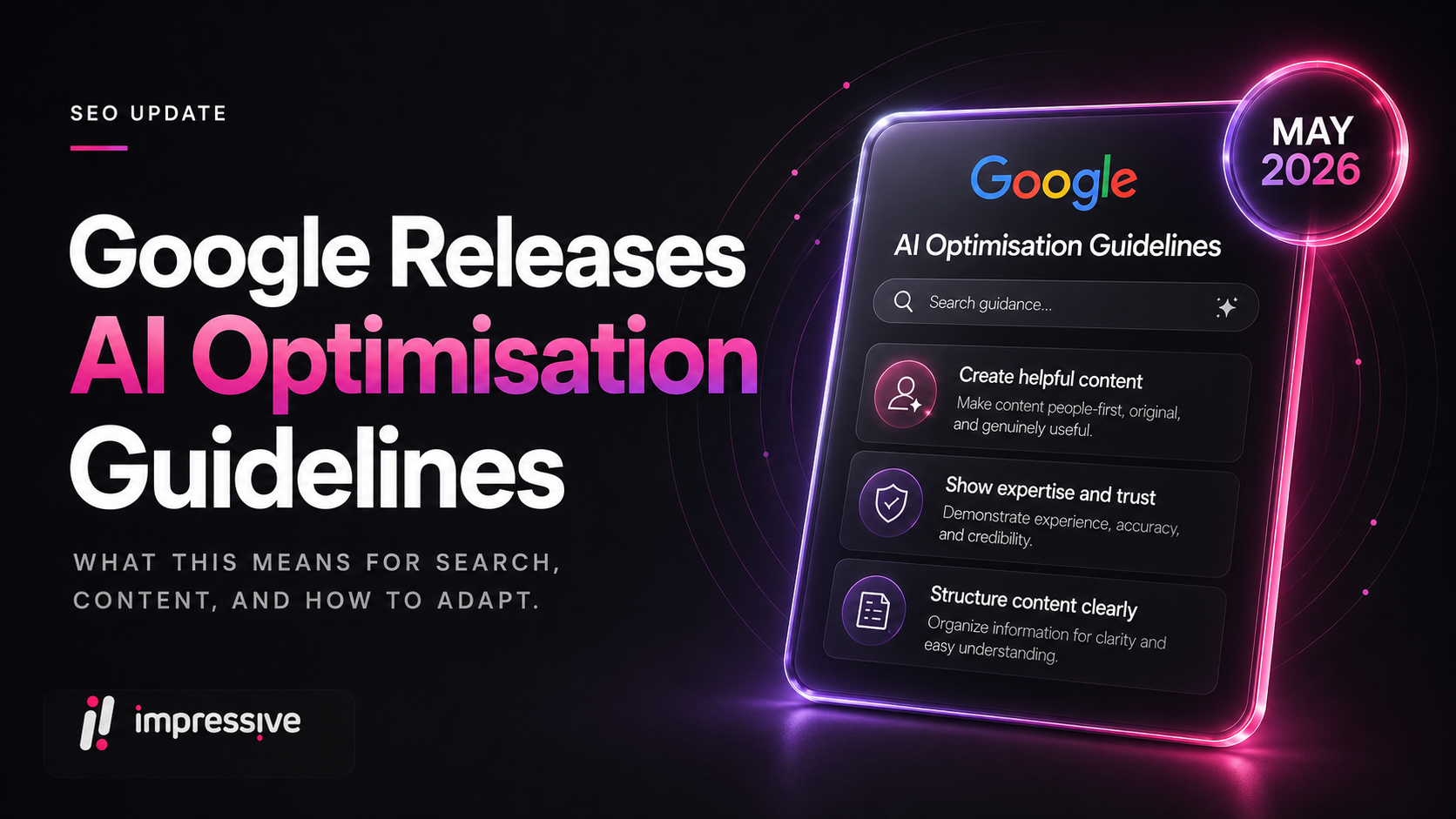
The February 2026 Discover Core Update
The February 2026 update refined how Google evaluates content for Discover, with stronger emphasis on relevance, helpfulness and source credibility. Google confirmed that systems now assess how well content aligns with user interests and ongoing behaviour patterns.
The update also reinforced quality signals. Content that demonstrates clear expertise and consistency across a topic gains stronger distribution. Low-value tactics such as misleading headlines or exaggerated claims lose reach across Discover feeds.
Discover continues to rely heavily on personalisation. Google selects content based on user activity, preferences and interaction history, which means performance varies across audiences rather than fixed rankings.
What the update means for your content
Local relevance now influences distribution more directly. Content tied to a specific region appears more often for users in that location. Businesses that publish local insights gain stronger reach.
Headlines need to match the content. Clear and direct phrasing performs better because it aligns with user expectations. Sensational language without substance reduces performance.
Topical depth now drives trust. Consistent coverage across related subjects strengthens authority signals. Shallow content loses visibility over time.
Discover remains driven by behaviour. Engagement patterns shape which content continues to appear. Content that earns interaction maintains momentum across the feed.
What the update means for your content
Discover now extends beyond publishers. Brands, ecommerce sites and service providers can earn placement when content aligns with user interests and delivers useful information.
Local relevance plays a stronger role. Content connected to a specific region appears more often for users in that location, especially when it reflects timely or relevant insights.
Headlines must match the content. Clear and accurate titles perform better because Google reduces visibility for content that overpromises or misleads.
Topical depth strengthens performance. Consistent coverage across related subjects signals expertise, while isolated or surface-level content struggles to maintain reach.
User behaviour drives distribution. Content that earns engagement such as clicks, scroll depth and repeat interactions continues to surface more frequently over time.
Core ranking factors for Google Discover in 2026
| Factor | Description |
| Content Quality | Clear, accurate information aligned with user interests |
| Topical Coverage | Depth across related subjects |
| Engagement Signals | User interaction and repeat visibilit |
| Headline Clarity | Titles that reflect content accurately |
| Visual Quality | Clear and relevant supporting images |
| Source Trust | Brand credibility across the web |
Top Tips to Optimise Content for Google Discover
Focus on topics your audience engages with consistently. Build clusters of related content that reinforce subject depth.
Write headlines that reflect the actual value of the content. Clear phrasing improves both trust and click-through.
Use strong visuals that support the content. High quality images increase engagement within the feed.
Publish content that aligns with user interests over time. Consistency strengthens how Discover systems interpret relevance.
Many brands strengthen performance through structured content writing services that organise information clearly and support ongoing topic coverage.
Support content with broader strategies connected to SEO services to reinforce authority and improve how Google evaluates credibility across channels.
Research shows that Discover now extends beyond publishers and rewards brands that produce high quality, engaging content across industries.
Measuring success with Google Discover
Google Search Console provides a dedicated Discover report. This report tracks impressions, clicks and average performance across the feed.
Monitor trends over time instead of isolated spikes. Discover traffic often fluctuates based on user behaviour and content relevance.
Analyse which topics generate repeated visibility. Use that data to guide future content production and strengthen topical coverage.
Introduce Discover as part of your content ecosystem
Discover works alongside search, not separately. It introduces content to users before they begin active research.
This creates an opportunity to influence awareness early. Brands that appear in Discover remain top of mind when users later move into search and comparison.
Integrate Discover into your broader content strategy. Align topic planning, content structure and authority signals across channels, ensuring your brand builds the multi-layered visibility needed to support targeted SEO services across Melbourne, Sydney, Brisbane, Adelaide, and Perth.
Businesses that treat Discover as part of a wider ecosystem strengthen visibility across both passive discovery and active search.