
The seo vs ppc question has been around for as long as Google has sold ads. And the answer in 2026 is the same as it was in 2016. It depends on your business, your timeline and your budget. What has changed is how the two channels interact, how AI search affects both, and why running them together produces a stronger result than either one alone.
This guide breaks down what each channel does, where each one wins, and how to decide where your next dollar should go.
What Is SEO?
SEO (search engine optimisation) is the process of improving your website so it appears higher in organic search results. That means the unpaid listings below the ads on Google, Bing and increasingly inside AI-generated responses from ChatGPT, Perplexity and Google AI Overviews.
The work covers three areas. Technical SEO makes sure search engines can crawl, index and understand your site. Content strategy makes sure your pages answer the questions your audience searches for. Authority development through digital PR and link acquisition makes sure search engines trust your site enough to rank it above competitors.
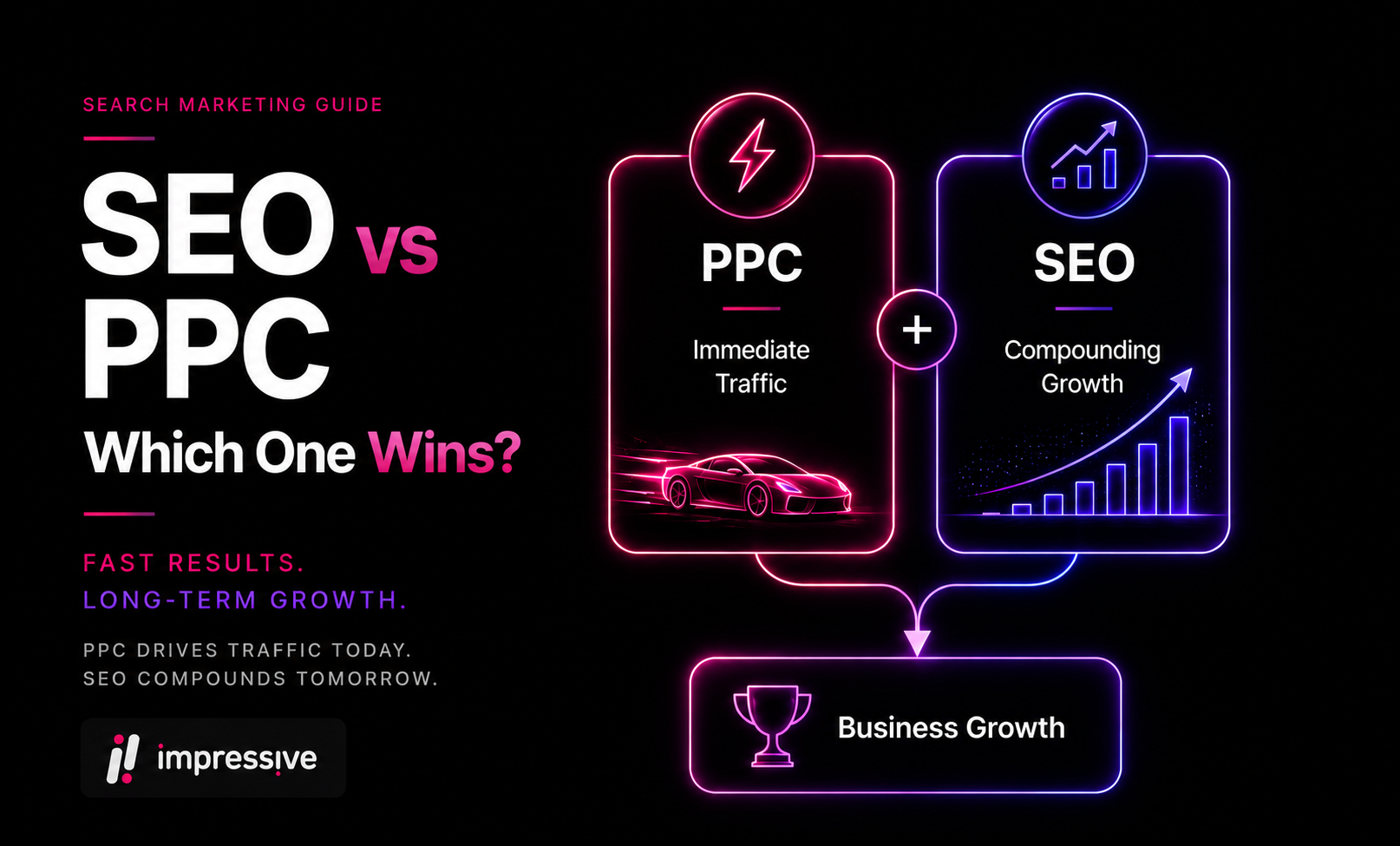
SEO takes time. Results typically appear between three and six months, with compounding returns over 12 months and beyond. The trade-off for that patience is traffic that continues flowing without a per-click cost.
What Is PPC?
PPC (pay-per-click) advertising places your brand at the top of search results, in social feeds and across display networks through paid placements. You pay each time someone clicks your ad.
Google Ads is the most common PPC channel in Australia, covering Search, Shopping, Display, YouTube and Performance Max. Facebook Ads run across Meta’s ecosystem including Instagram, Messenger and Audience Network. Other paid channels like Amazon advertising and Reddit advertising reach users on platforms where they research and buy.
PPC delivers results immediately. You can launch a campaign today and generate traffic tomorrow. The trade-off is that the moment you stop paying, the traffic stops too.
The Biggest Differences Between SEO and PPC
The seo vs ppc comparison comes down to four factors.
Cost
PPC costs money per click. You pay for every visitor. CPCs in Australia range from under $1 for low-competition terms to $20+ in competitive verticals like legal, finance and insurance. Monthly ad spend for most businesses sits between $3,000 and $20,000+ before management fees.
SEO costs money per month through agency retainers or in-house salaries, but it does not charge per visitor. Once a page ranks, it generates traffic without incremental cost. Over 12 to 24 months, the cost per lead from SEO typically drops well below PPC because the traffic compounds while the investment stays relatively flat.
Speed
PPC wins on speed. You can have ads live within hours and generating clicks within days. SEO takes three to six months before meaningful traffic appears, and often 12 months before the full return materialises.
For businesses that need leads this week, PPC is the faster path. For businesses planning for the next 12 to 24 months, SEO delivers a lower long-term cost per acquisition.
Scalability
PPC scales with budget. Increase your spend and you increase your traffic, up to the point where the market runs out of relevant searchers. Scaling PPC also increases cost because higher budgets push you into more competitive auctions.
SEO scales with content and authority. Publishing more high-quality pages, earning more links and expanding topical coverage increases organic traffic without a proportional increase in cost. The scalability curve for SEO is slower to start but more efficient over time.
Sustainability
PPC traffic stops when you stop paying. The moment you pause a campaign, the clicks disappear. There is no residual value from yesterday’s ad spend.
SEO traffic persists. A page that ranks well today can generate traffic for months or years with minimal ongoing investment. The content, the links and the technical improvements all carry forward. SEO compounds in a way that PPC cannot.
When SEO Makes More Sense
SEO earns its place when your growth timeline extends beyond 90 days and you want a channel that compounds over time.
You sell a considered product or service. Buyers in legal, finance, SaaS, education and professional services research extensively before purchasing. SEO captures those research queries and positions your brand as a credible source during the evaluation phase.
Your CPCs have become unsustainable. If you’re paying $15 to $25 per click on Google Ads, organic rankings for the same keywords deliver the same audience at a fraction of the long-term cost. Many businesses invest in SEO specifically to reduce their paid media dependency.
You want to own your traffic. PPC traffic is rented. SEO traffic is earned. Brands that rank well for commercial terms own that traffic in a way that paid placements never provide. Algorithm updates can shift rankings, but the underlying content and authority assets remain.
You want AI search visibility. Google AI Overviews, ChatGPT and Perplexity pull from organic sources when generating answers. PPC does not feed AI citations. Businesses investing in AI SEO earn visibility across both traditional rankings and AI-generated responses.
When PPC Makes More Sense
PPC earns its place when you need results quickly, when you’re testing a new market, or when organic competition makes short-term SEO gains unlikely.
You need leads or sales this month. A new business, a product launch or a seasonal campaign cannot wait six months for SEO to compound. PPC generates traffic immediately and provides data on which keywords, audiences and messages convert.
You’re entering a new market. PPC lets you test demand in a new geography, vertical or product category before committing to a long-term SEO investment. The data from paid campaigns informs which organic keywords are worth pursuing.
You’re running promotions or events. Time-sensitive offers, seasonal sales and event registrations need immediate visibility. PPC delivers it. SEO does not move fast enough for a Black Friday campaign launching next week.
You need precise audience targeting. PPC platforms offer demographic, geographic, behavioural and intent-based targeting that SEO cannot match. If you need to reach a specific audience segment with a specific message, paid media gives you that control.
Why the Best Strategy Usually Combines Both
The seo vs ppc question frames the two as competitors. In practice, they perform better together than either one alone. Three dynamics explain why.
Data sharing makes both channels smarter
PPC generates conversion data quickly. Within weeks, you know which keywords, audiences and landing pages produce revenue. That data informs SEO strategy by identifying which organic keywords are worth the longer investment. SEO data flows the other way too. Search Console reveals queries driving impressions that you’re not yet bidding on, which creates new PPC opportunities.
We run this feedback loop on every campaign. Paid search data accelerates organic keyword prioritisation, and organic performance data identifies gaps in paid coverage.
Remarketing recovers organic visitors
Most website visitors leave without converting. SEO brings them to the site. PPC brings them back. Remarketing campaigns through Google Ads and Facebook Ads re-engage users who discovered your brand through organic search but did not take action on the first visit. That combination produces conversion rates significantly higher than either channel achieves in isolation.
SERP dominance increases total click share
When your brand appears in both the paid and organic results for the same query, you capture a larger share of clicks than either listing would earn alone. Research consistently shows that brands occupying both positions see higher click-through rates on their organic listing compared to when the organic listing appears without a paid ad above it. The dual presence reinforces credibility and increases the probability that the user clicks on your brand rather than a competitor.
How AI Search Is Changing SEO and PPC
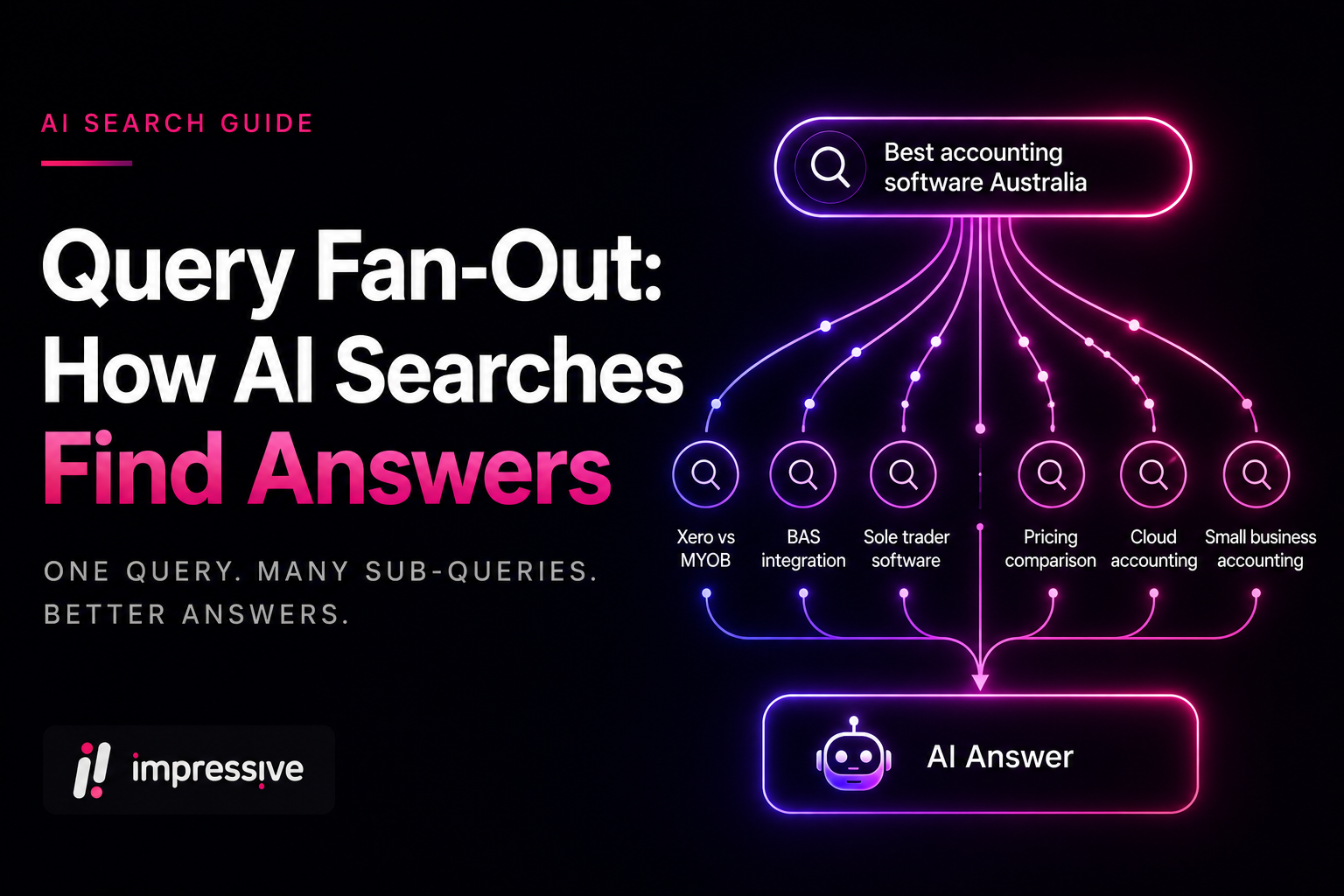
AI search has added a third layer to the seo vs ppc equation. Google AI Overviews, ChatGPT and Perplexity now generate answers that influence purchase decisions before a user clicks on anything. That changes the dynamics for both channels.
SEO now feeds AI citation
The same content that ranks in traditional organic search also feeds AI-generated responses. Businesses that invest in structured content, entity optimisation and topical authority earn citations inside AI Overviews, ChatGPT answers and Perplexity responses. That visibility influences brand consideration before the user even reaches a search results page. PPC cannot buy AI citations. Only organic authority earns them.
PPC is expanding into AI environments
OpenAI launched ChatGPT ads in 2026, and Google continues developing ad placements within AI Mode. Paid visibility inside AI-generated responses is emerging as a new format. Businesses already running strong PPC campaigns will have a head start when these placements scale.
Zero-click behaviour compresses the funnel
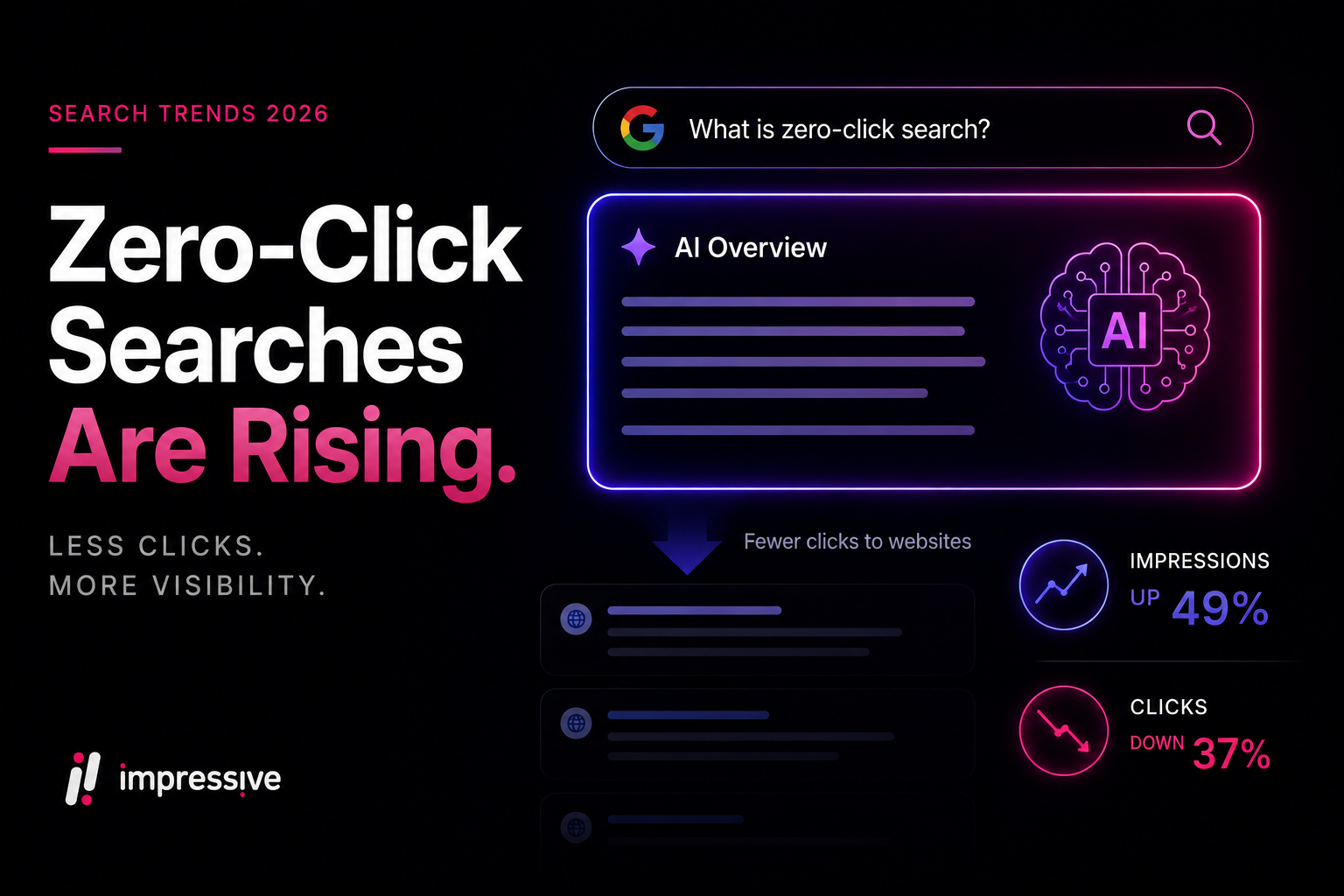
AI Overviews answer more queries without a click. That reduces the total pool of clicks available to both paid and organic listings. The response is the same for both channels. Brands need to appear inside the AI-generated answer (through SEO and authority development) and remain visible through paid placements for the queries where clicks still happen.
The integrated approach wins
Businesses that run SEO and PPC as separate, disconnected channels lose efficiency in an AI search environment. Businesses that integrate them, sharing data, coordinating messaging and measuring total search visibility rather than channel-by-channel metrics, capture the full picture and make smarter budget decisions.
How to Decide Where to Invest
Start by answering three questions.
How urgently do you need results? If the answer is “this month,” PPC takes priority. If the answer is “over the next 12 months,” SEO deserves the larger share of budget.
How competitive is your market? In high-CPC markets like legal, finance and insurance, SEO provides the strongest long-term cost advantage. In low-CPC markets, PPC can remain efficient indefinitely.
What does your current organic presence look like? If you already rank for valuable terms, increasing PPC spend amplifies results through SERP dominance and remarketing. If you have no organic presence, SEO investment creates the foundation that makes future PPC spend more efficient.
Most businesses land on a combination. The split depends on your timeline, your industry and your growth targets. We help our clients find the right ratio during our discovery process and adjust it as the data comes in.
The Answer Is Usually Both
The seo vs ppc debate makes for a good blog title. In practice, the two channels are better together than apart. SEO compounds over time and reduces long-term acquisition cost. PPC delivers immediate results and generates the data that makes SEO smarter. AI search rewards organic authority while creating new paid placements that extend reach.
The brands that treat the two as one connected system outperform the ones that run them as separate line items on a marketing budget. The data flows both ways. The results compound in both directions. The conversation should not be which one to choose. It should be how to make them work harder together.