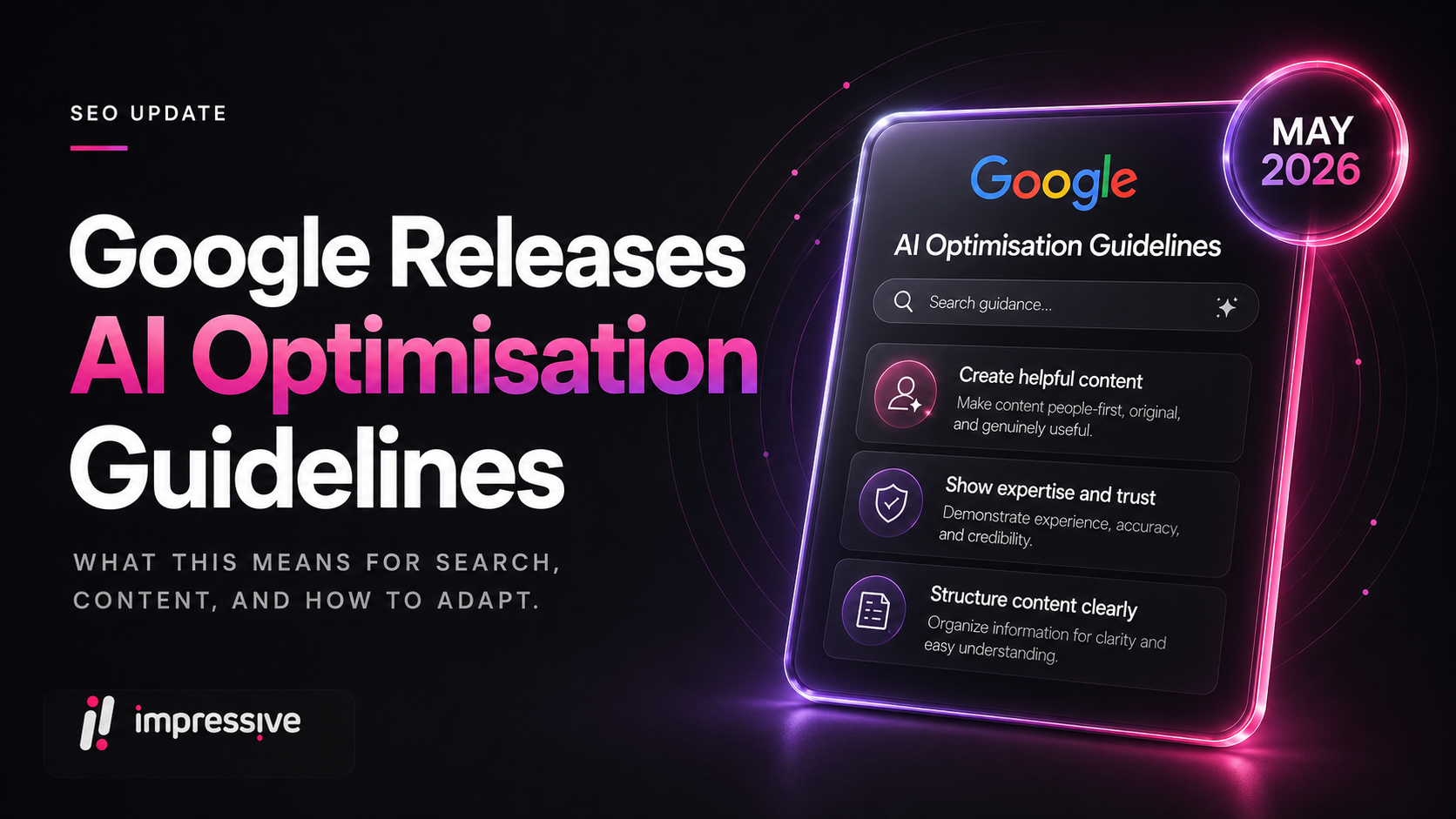

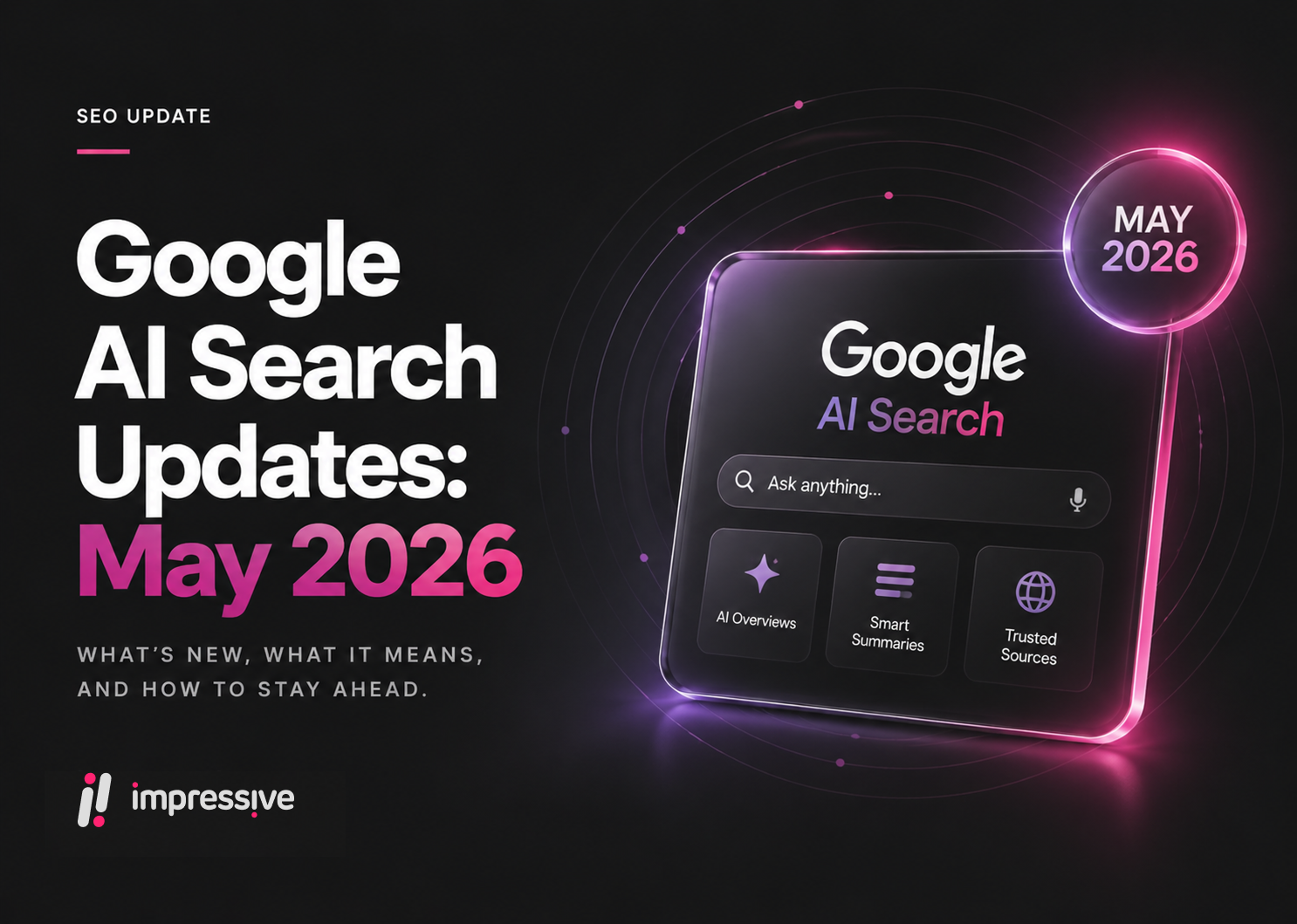
Google continues reshaping how search results look, behave and distribute traffic. The May 2026 updates to AI Overviews and AI Mode introduce changes that affect how links appear, how citations work and how community content surfaces inside generated responses.
For any business investing in organic search, these Google AI search updates shift the optimisation target. Rankings still matter, but where and how your content appears inside AI-generated answers now determines whether users see your brand at all.
Biggest Google AI Search Changes This Month
Google announced five new updates to AI Mode and AI Overviews on May 6, and the changes carry real implications for visibility.
AI Overview expansion continues
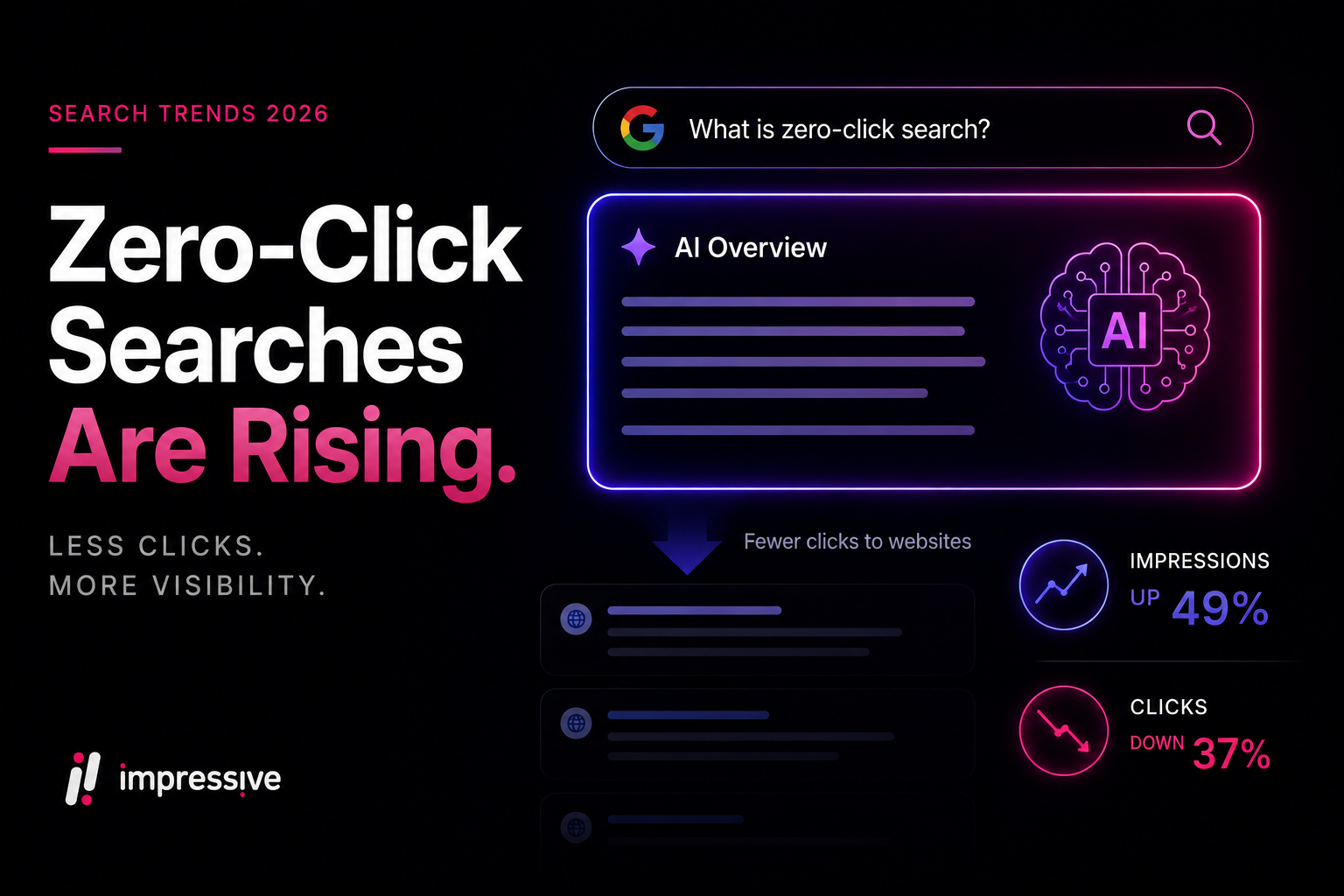
AI Overviews now appear in over 25% of Google searches, up from 13% in March 2025. The feature continues to roll out across more query types and geographies, and Google has confirmed that it reaches 1.5 billion monthly users. The more queries AI Overviews cover, the fewer traditional blue links users interact with.
AI Mode gets deeper
AI Mode now includes “Further Exploration” sections at the end of responses, linking users to in-depth articles, case studies and alternative perspectives. Google is actively encouraging users to continue researching within AI Mode rather than returning to traditional results. Data from Semrush shows that 93% of AI Mode sessions end without a click to an external website, making citation inside the response the primary visibility opportunity.
Citation and link placement changes
Google now embeds links directly within AI response text, next to the relevant sentence, rather than grouped at the bottom. This is a significant shift. The announcement also introduced website previews on hover, showing users the page title and source before they click. Content that earns inline placement will capture a disproportionate share of the remaining clicks.
Reddit and community content integration
AI responses now include quotes from public forums, social media and community discussions alongside traditional sources. Google displays the community name, creator handle and direct links to the conversation. Reddit already ranks as the most-cited domain across AI search platforms, with appearances in over 46% of tracked prompts. Brands that lack community presence now face competition from user-generated content appearing inside the same AI response.
Subscription content labelling
Google now highlights links from a user’s news subscriptions inside AI Overviews and AI Mode. Early testing showed users click subscription-labelled links at significantly higher rates. Publishers with strong subscriber bases gain a visibility advantage.
What These Updates Mean for SEO
The direction is clear. Google AI search updates are compressing the path from question to answer, and fewer users leave the search results page to visit a website.
Research across multiple sources confirms the scale of this shift. Searches that trigger AI Overviews now show zero-click rates of approximately 83%, compared to around 60% for traditional results. Click-through rates to the top-ranking organic page drop by an estimated 58% when an AI Overview appears. Only about 1% of users click on a cited source within an AI Overview, compared to 8% for a traditional featured snippet.
These numbers reshape what “visibility” means. Ranking on page one still matters for queries that AI Overviews do not yet cover. For the growing share of queries they do cover, the primary outcome is whether your brand appears inside the generated response.
Google AI search optimisation now requires a shift in measurement. Impressions, brand mentions, citation frequency and assisted conversions matter as much as click-through rates. Teams tracking only organic traffic and keyword rankings miss more than half the picture.
Brand visibility also plays a stronger role. Users who see your brand cited in an AI Overview develop recognition before they ever visit your site. That recognition influences downstream behaviour, including branded search, direct traffic and conversion rates. Businesses that invest in broader SEO services now measure success across these signals rather than clicks alone.
Industries Most Impacted by AI Search
The impact of these updates varies by sector. Industries with high volumes of informational queries feel the strongest effect.
SaaS and technology
Software and tech companies rely heavily on informational and comparison content to drive organic traffic. AI Overviews now cover a significant share of “best software for” and “how to” queries, absorbing clicks that previously landed on review sites and product pages. SaaS brands that lack entity clarity in their structured data lose ground to competitors that AI systems recognise more clearly.
Ecommerce
Product comparison and “best of” queries increasingly trigger AI-generated summaries. AI systems pull pricing, reviews and product features into the response, and users compare options without visiting individual product pages. Shopping-intent queries remain more resilient, but the research phase that feeds those purchases now happens inside AI responses.
Healthcare
Health-related queries trigger AI Overviews at rates above 60% in some categories. Symptom queries, treatment comparisons, and condition explainers now surface AI-generated answers, reducing traffic to medical publishers and practice websites. Accuracy and trust signals carry even more weight in this space.
Finance
Loan comparisons, insurance queries, and investment questions frequently trigger AI Overviews. The zero-click impact hits hardest on educational and explainer content. Financial services brands that structure content around entities, credentials, and regulatory context improve their chances of being cited.
Local SEO
Local queries remain relatively resilient because users still need to visit a business, check hours or read reviews. However, AI Overviews now synthesise local information from Google Business Profile data, review sites and directories. Businesses that keep their local signals consistent across sources retain stronger visibility. Teams running SEO in Sydney, Perth, Adelaide or Brisbane see this play out in local search results, where AI summaries increasingly replace the traditional local pack.
What Businesses Should Prioritise Now
Google’s guidance around helpful content and AI search has been consistent. Content that demonstrates expertise, provides clear answers and earns trust from external sources performs best inside AI-generated responses. Here is what that looks like in practice.
Entity SEO
AI systems interpret entities, not pages. Your brand, products, people and locations need clear, consistent structured data that machines can read. Schema markup, Knowledge Panel optimisation and clean entity relationships help AI systems identify and reference your content accurately.
FAQ structure and direct answers
Queries that trigger AI Overviews tend to follow question formats. Content that answers those questions directly in the opening sentences of a section earns higher citation rates. FAQ schema and clear question-answer formatting improve extraction potential.
Topical authority
AI systems favour sources that demonstrate depth across a subject. Publishing a single article on a topic produces weaker signals than maintaining consistent, interconnected coverage across related subtopics. Topical clusters supported by strong internal linking give AI systems more confidence when selecting sources.
Digital PR and external mentions
Citations from trusted publications, news outlets and industry sources strengthen how AI systems evaluate credibility. Unlinked brand mentions carry value because AI systems assess consistency of recognition across the web, not links alone. Digital PR now contributes directly to AI visibility.
First-hand experience content
Google’s May 2026 updates explicitly surface perspectives from public discussions, forums and social media inside AI responses. Content that includes original data, practitioner insights and first-hand experience earns citation over generic informational content. AI systems increasingly distinguish between content that adds something new and content that repackages existing information.
Businesses that coordinate these priorities through a structured AI SEO approach gain stronger positioning across both traditional and AI-driven search results.
What This Means for Your Next Move
The May 2026 Google AI search updates confirm what has been building for over a year. AI Overviews and AI Mode are absorbing more queries, more clicks and more user attention. The brands that show up inside those responses stay visible. The brands that do not disappear before the user even knows they exist.
Zero-click rates for AI-triggered queries now sit at roughly 83 %. Inline links, community content and subscription labelling have rewritten the rules of search results. High-information industries feel this first, but no sector is exempt. These changes will keep expanding through 2026.
Google AI search optimisation now means optimising for citation, entity clarity, topical depth, credibility and structured answers. Rankings still feed the system, but they are one signal among many. The businesses that adjust their measurement, content and authority signals now will hold the strongest positions as AI search scales. The ones that wait will spend the next twelve months trying to catch up.